How SaaS Utility Shows CRM Software Can Improve Sales Management
 Veer
Veer
 Veer
Veer
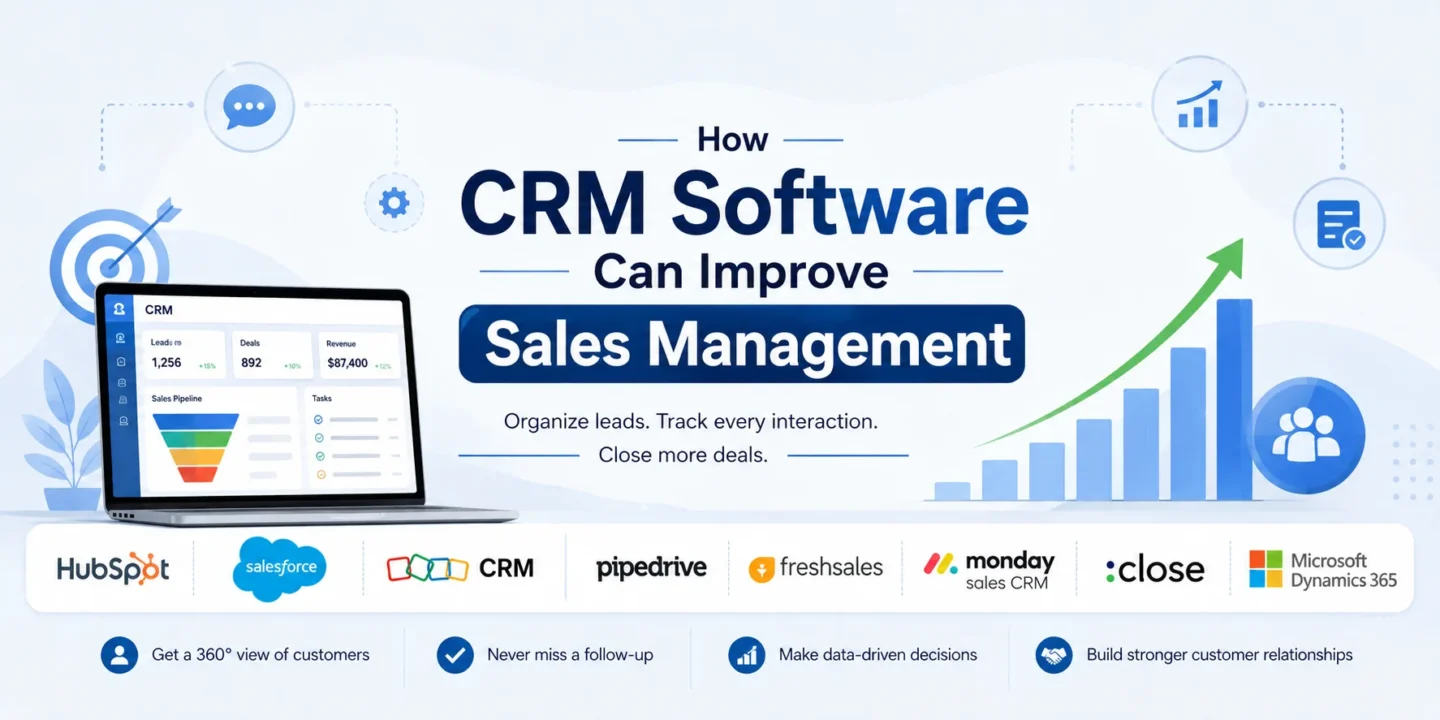
Selling management becomes hard when data is available in too many different places. The potential customer might contact the company through its website, the salesperson may contact the prospect through a phone call, and an essential information may be in someone’s notebook. CRM systems help to connect all of these aspects into one coherent view. A manager will know who contacted a lead, what was talked about, and when to make the next call without asking for updates.
One of the most significant changes that become possible due to sales CRM software is the visibility. It is easy to see how each opportunity develops from the initial communication until it becomes a closed deal.
In case there are several opportunities that stay unattended for two weeks, it is easy to recognize the problem and ask appropriate questions. Maybe the leads require additional information. Maybe a sales representative is overburdened with tasks.
Sales are often missed due to forgetting to follow up on them. Using CRM software can help avoid this by tracking all calls, emails, meetings, and tasks. The system establishes a pattern where following up will become a part of the sales process.
If there are several prospects who actively interact with your representative, it gets hard to remember everything without additional tools. With CRM software for sales, representatives have access to what requires their attention, while managers can keep an eye on how opportunities develop.
It becomes obvious for customers whether the salesperson even remembers their last conversation. The CRM system tracks notes, interactions, preferences and history of communication. Thus, the next conversation starts right where the previous one was left.
CRM software does not necessarily mean the one which has a longer list of features. The best CRM system for the team is the one which makes the use of customer information easy. If representatives easily get all the necessary information, conversations become more efficient.
Sales managers need more than just a bottom line for performance evaluation. CRM software shows patterns of activity, blocked opportunities, conversions and follow-ups. This allows to spot areas where individual reps may require assistance.
Instead of saying “Sell harder”, the manager and the rep can have a conversation about a specific problem. Maybe the leads are contacted fast enough, but the follow-up is poor. Or maybe meetings take place, but proposals are made late. With sales CRM software, it becomes easier to talk about sales activities because the discussion will be data-driven.
The true power becomes evident when sales data is used to make decisions. If one source of leads performs better, the managers can focus more on it. If one stage makes the process slow down, then the process needs rethinking. If one product gets a lot of inquiries but no sales – sales and marketing departments should work together to find out why.
SaaS Utility aims to make software-related topics clear. The best CRM software helps the managers to identify what to fix next, not provide yet another dashboard.
Different sales teams need different tools, so the right choice depends on team size, workflow, budget, and the type of customers being managed. Here are some popular options worth considering:
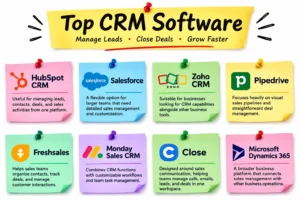
The best CRM software for one company may not be the best choice for another. Before selecting a platform, sales managers should consider how easily their team can adopt it, whether it fits existing processes, and whether the information it provides can actually support better decisions.
Effective sales management comes down to being consistent. CRM systems facilitate this consistency by providing an opportunity for teams to have one source of all their leads, customer interactions, assignments and next actions. They do not replace effective sales reps and relationships, but eliminate the need for additional confusion.
For companies evaluating CRM solutions, it is important to make sure the solution fits your team’s process, is easy to use on a daily basis and offers actionable insights for the management. SaaS DealStack will continue to write about useful software options with the same principle: how to leverage the technology to work smart, without complicating routine tasks.

© 2026. All rights reserved by SaaS Deal Stack.

No Comments